A General Knowledge Practice Set for 2026
Science is everywhere: in the air above your tea, the electricity behind your fan, the vitamin in an orange, and the planet you keep calling "the bright one." This set turns those everyday facts into 100 clean MCQs for quick general-knowledge practice - no mini-lectures hiding under the answers.
Why this Everyday Science set is useful
If you are building a daily MCQ practice routine, this 100-question set gives you a focused block of science without sending you on a browser safari. For deeper topic-wise work, move between the Everyday Science MCQs category and the broader General Knowledge MCQs collection. The existing Everyday Science topics guide is useful when a concept needs context, while the online MCQ practice guide explains why active recall usually beats passive scrolling.
The problem with many MCQ websites in Pakistan is not a shortage of questions; it is finding a clean path through them. A learner can pair science revision with Pakistan Studies MCQs,English MCQs,Current Affairs MCQs and Islamic Studies MCQs without turning one study session into twelve open tabs and a small identity crisis.
For exam-focused learners, the same questions can sit inside a wider MCQs preparation strategy. Use the NTS preparation guide when your test includes mixed sections, the CSS exam-pattern guide for federal competitive-exam context, and the past-paper strategy guide when you want to connect factual recall with real paper patterns. The time-management guide is also worth keeping nearby once you start timing yourself.
McqsBase works best as a consistent MCQ website rather than something you visit only the night before an exam with heroic optimism. Its practice-test guide shows how repeated testing can expose weak areas, the free-resources guide helps keep preparation affordable, and the platform comparison guide is useful if you are deciding which MCQ site should become your main study hub.
If you prefer a more digital workflow, the future of exam preparation guide looks at where online learning is heading, while the McqsBase platform overview explains the site's category-first approach. You can also compare free MCQ resources, return to the main MCQsBase blog, or simply open the Everyday Science practice page and start answering. Fancy strategy is useful; clicking "start" remains suspiciously effective.
What the 100 questions cover
| Section | Questions | Focus |
|---|---|---|
| Human Body & Health | 1-20 | Organs, blood, vitamins, digestion, senses |
| Plants, Cells & Life Science | 21-40 | Photosynthesis, transport tissues, cells, reproduction |
| Physics & Measurement | 41-60 | SI units, light, sound, electricity, instruments |
| Chemistry in Everyday Life | 61-80 | Symbols, formulas, pH, fuels, acids, common compounds |
| Earth, Environment & Space | 81-100 | Atmosphere, Earth layers, water cycle, energy, planets |
Choose one answer, then check the answer column. No explanations - exactly as requested.
How many bones are normally present in the adult human skeleton?
Correct Answer
B) 206
How many chambers does the human heart have?
Correct Answer
C) Four
Which organ pumps blood around the human body?
Correct Answer
B) Heart
Which is the largest organ of the human body?
Correct Answer
B) Skin
Which organs filter wastes and extra water from the blood to make urine?
Correct Answer
B) Kidneys
Which organ contains cells that produce the hormone insulin?
Correct Answer
A) Pancreas
Which gas is carried from the lungs to body tissues mainly by red blood cells?
Correct Answer
B) Oxygen
Which blood cells play a major role in defending the body against infection?
Correct Answer
B) White blood cells
Which organs are primarily responsible for gas exchange in humans?
Correct Answer
B) Lungs
Which part of the brain is especially important for balance and coordination?
Correct Answer
A) Cerebellum
A severe deficiency of vitamin C can cause which disease?
Correct Answer
B) Scurvy
Vitamin D deficiency in children can lead to which condition?
Correct Answer
B) Rickets
Deficiency of vitamin A most directly affects which ability?
Correct Answer
A) Low-light vision
Which mineral is a key component of hemoglobin?
Correct Answer
B) Iron
Which blood component is most directly involved in clot formation?
Correct Answer
A) Platelets
Which transparent front part of the eye is commonly transplanted in corneal transplantation?
Correct Answer
B) Cornea
Which structure gives the human eye most of its visible color?
Correct Answer
B) Iris
Where does most nutrient absorption occur in the digestive system?
Correct Answer
B) Small intestine
Which enzyme begins protein digestion in the stomach?
Correct Answer
B) Pepsin
What is the smallest bone in the human body?
Correct Answer
A) Stapes
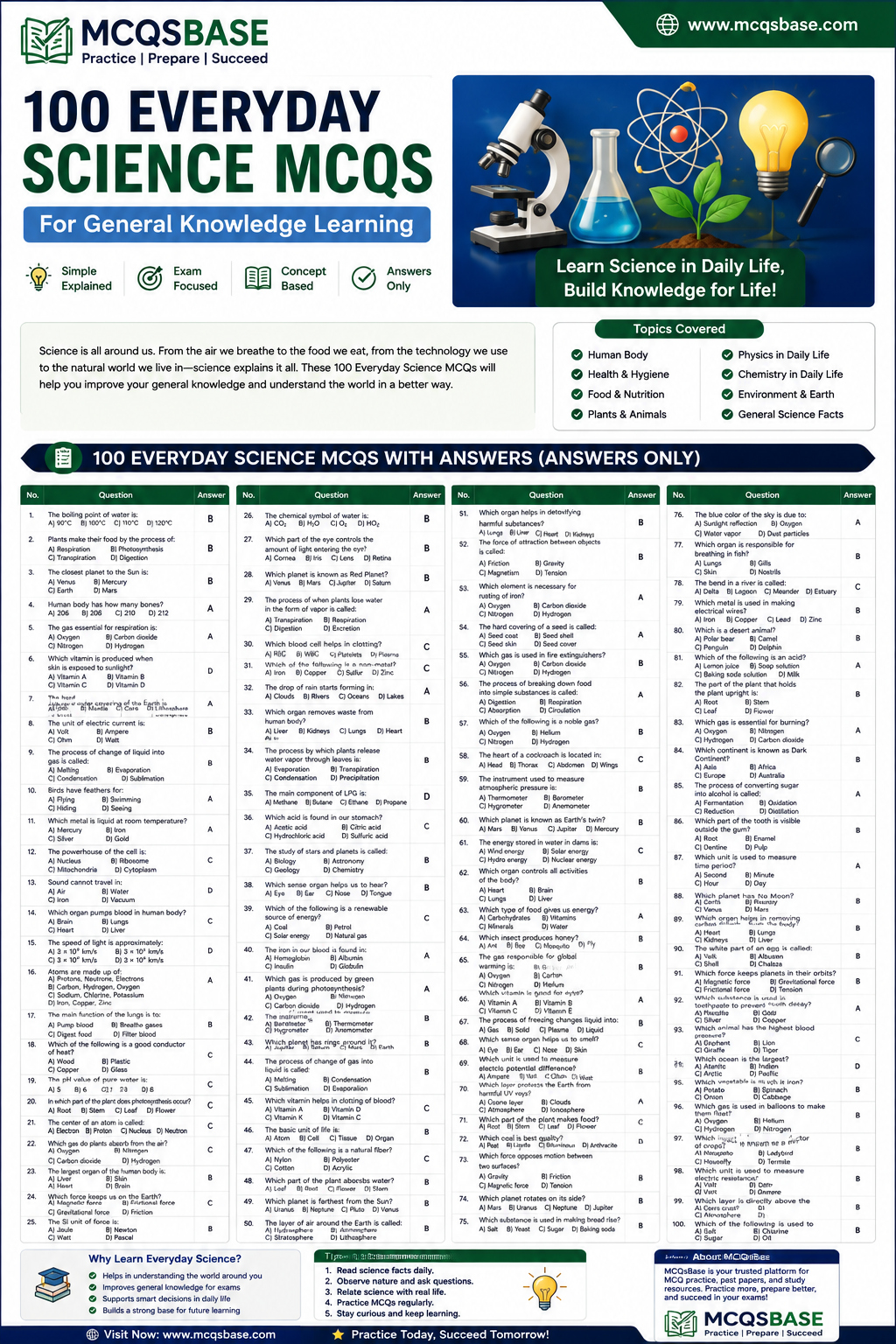
Figure 1. Everyday Science practice overview: human-body and general science learning.
Choose one answer, then check the answer column. No explanations - exactly as requested.
Which green pigment captures light energy for photosynthesis?
Correct Answer
B) Chlorophyll
Which gas do green plants take in during photosynthesis?
Correct Answer
B) Carbon dioxide
Which gas is released as a product of photosynthesis?
Correct Answer
A) Oxygen
Which part of a typical plant absorbs most water and mineral ions from soil?
Correct Answer
B) Root
Which plant tissue mainly transports water upward from the roots?
Correct Answer
B) Xylem
Which plant tissue transports sugars and other organic nutrients?
Correct Answer
B) Phloem
Tiny pores called stomata are mainly involved in which process?
Correct Answer
A) Gas exchange
Which organelle produces most of a eukaryotic cell's ATP?
Correct Answer
A) Mitochondrion
What molecule carries hereditary information in most organisms?
Correct Answer
B) DNA
Which cell structure is directly responsible for protein synthesis?
Correct Answer
A) Ribosome
Which organelle houses most of the DNA in a eukaryotic cell?
Correct Answer
A) Nucleus
Which structure is present in plant cells but absent from animal cells?
Correct Answer
A) Cell wall
Which plant structure contains the reproductive organs in flowering plants?
Correct Answer
B) Flower
Pollination is the transfer of pollen grains from the anther to which structure?
Correct Answer
A) Stigma
Which part of a seed primarily protects the embryo?
Correct Answer
A) Seed coat
Which set of conditions is generally needed for seed germination?
Correct Answer
A) Water, oxygen, suitable temperature
Fungi generally differ from green plants because fungi lack which pigment?
Correct Answer
A) Chlorophyll
A mushroom belongs to which biological group?
Correct Answer
A) Fungi
What sweet liquid do bees commonly collect from flowers?
Correct Answer
A) Nectar
Which is the largest living animal?
Correct Answer
B) Blue whale
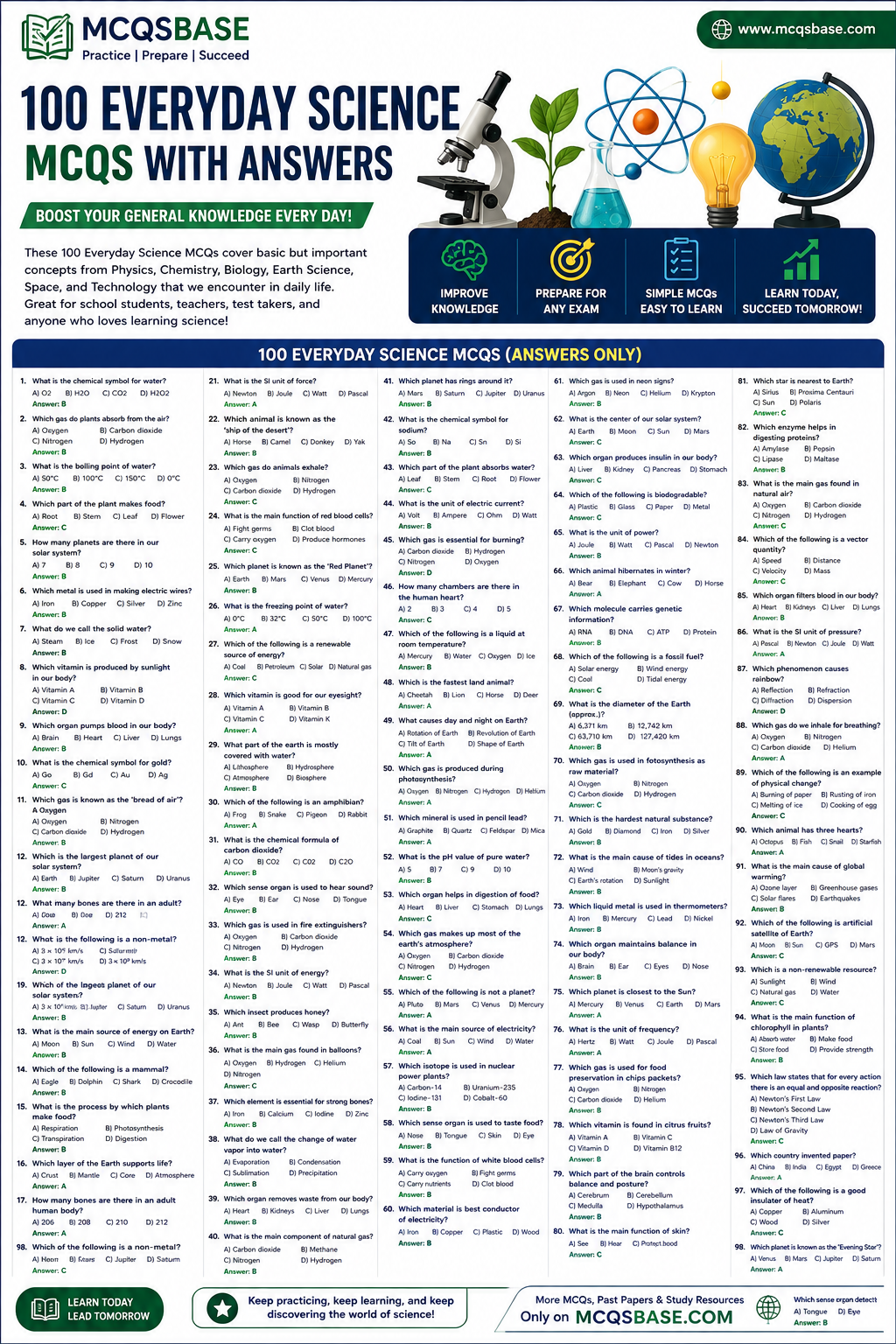
Figure 2. Everyday Science question-bank visual for biology and life-science revision.
Choose one answer, then check the answer column. No explanations - exactly as requested.
What is the SI unit of force?
Correct Answer
A) Newton
What is the SI unit of energy?
Correct Answer
B) Joule
What is the SI unit of power?
Correct Answer
A) Watt
What is the SI unit of pressure?
Correct Answer
A) Pascal
What is the SI base unit of electric current?
Correct Answer
A) Ampere
Which unit is used for frequency?
Correct Answer
A) Hertz
Which SI unit is used for electric charge?
Correct Answer
A) Coulomb
Which unit measures electrical resistance?
Correct Answer
A) Ohm
Approximately how fast does light travel in a vacuum?
Correct Answer
A) 3 x 10^8 m/s
Sound cannot travel through which medium?
Correct Answer
A) Vacuum
In general, sound travels fastest through which state of matter?
Correct Answer
A) Solids
Which type of lens converges parallel rays of light?
Correct Answer
A) Convex lens
Which mirror is commonly used as a vehicle side-view mirror because it gives a wider field of view?
Correct Answer
A) Convex mirror
A simple periscope works mainly by which optical phenomenon?
Correct Answer
A) Reflection
The splitting of white light into its component colors by a prism is called what?
Correct Answer
A) Dispersion
What is the SI base unit of thermodynamic temperature?
Correct Answer
A) Kelvin
Which instrument measures atmospheric pressure?
Correct Answer
A) Barometer
Which instrument is used to measure humidity?
Correct Answer
A) Hygrometer
Which instrument records earthquake vibrations?
Correct Answer
A) Seismograph
Which instrument is used to measure wind speed?
Correct Answer
A) Anemometer
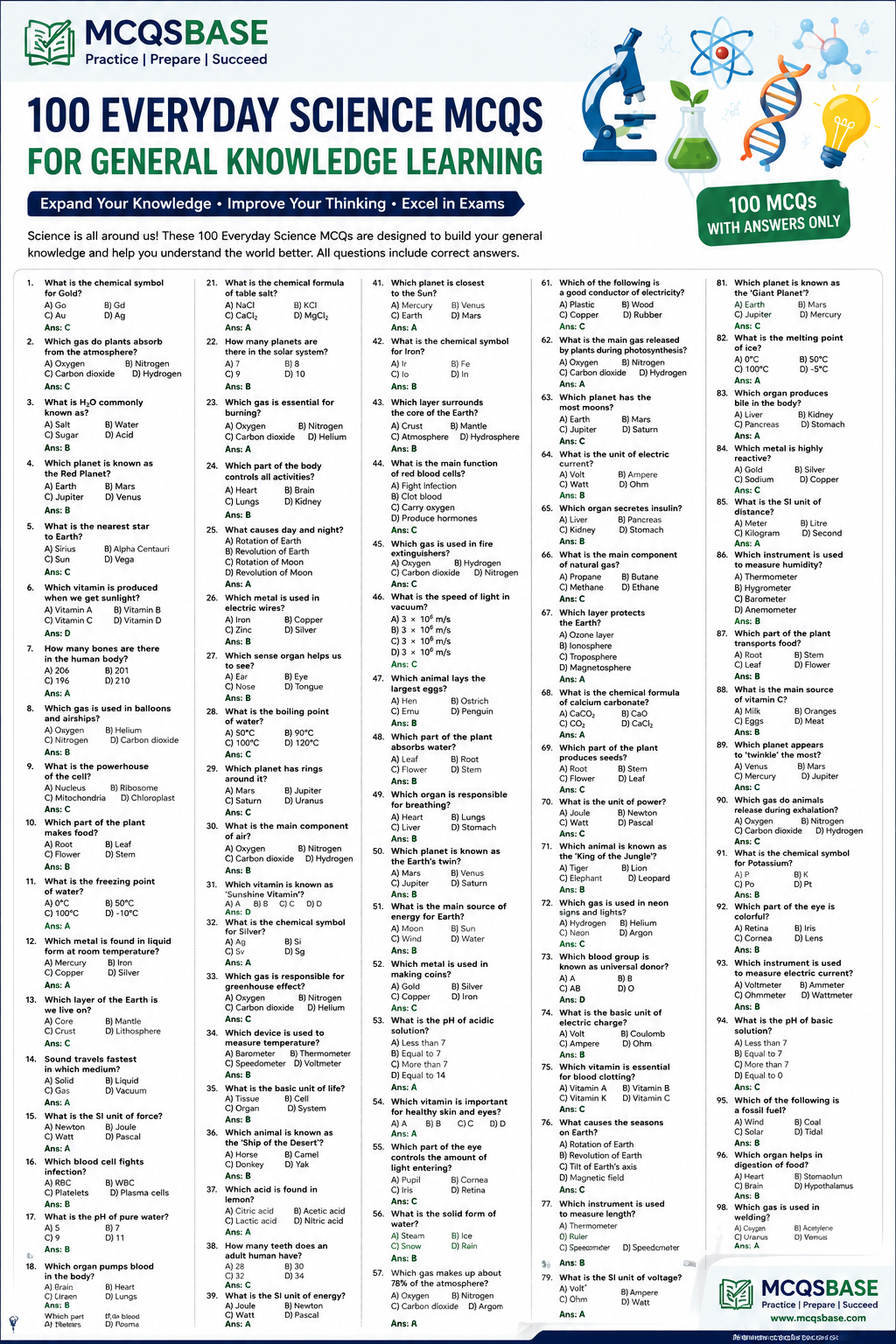
Figure 3. General-knowledge science practice covering measurement, forces, light, sound and instruments.
Choose one answer, then check the answer column. No explanations - exactly as requested.
What is the chemical formula of water?
Correct Answer
A) H2O
What is the chemical formula of common table salt?
Correct Answer
A) NaCl
What is the chemical symbol for oxygen?
Correct Answer
A) O
What is the chemical symbol for gold?
Correct Answer
A) Au
What is the chemical symbol for silver?
Correct Answer
A) Ag
What is the chemical symbol for iron?
Correct Answer
A) Fe
What is the chemical symbol for sodium?
Correct Answer
A) Na
At about 25 degreesC, what is the pH of pure water?
Correct Answer
A) 7
A solution with a pH below 7 is generally described as what?
Correct Answer
A) Acidic
Which gas makes up the largest proportion of Earth's dry atmosphere?
Correct Answer
A) Nitrogen
Approximately what percentage of Earth's dry atmosphere is oxygen?
Correct Answer
A) 21%
What is the main component of natural gas?
Correct Answer
A) Methane
What does CNG stand for?
Correct Answer
A) Compressed Natural Gas
Liquefied petroleum gas (LPG) commonly consists mainly of which hydrocarbons?
Correct Answer
A) Propane and butane
Rust on iron is mainly composed of which type of compound?
Correct Answer
A) Hydrated iron oxide
Which acid is naturally abundant in lemons and other citrus fruits?
Correct Answer
A) Citric acid
Which acid gives vinegar its characteristic acidity?
Correct Answer
A) Acetic acid
What is the common chemical name of baking soda?
Correct Answer
A) Sodium bicarbonate
What is the main active ingredient in many household chlorine bleaches?
Correct Answer
A) Sodium hypochlorite
Dry ice is the solid form of which substance?
Correct Answer
A) Carbon dioxide
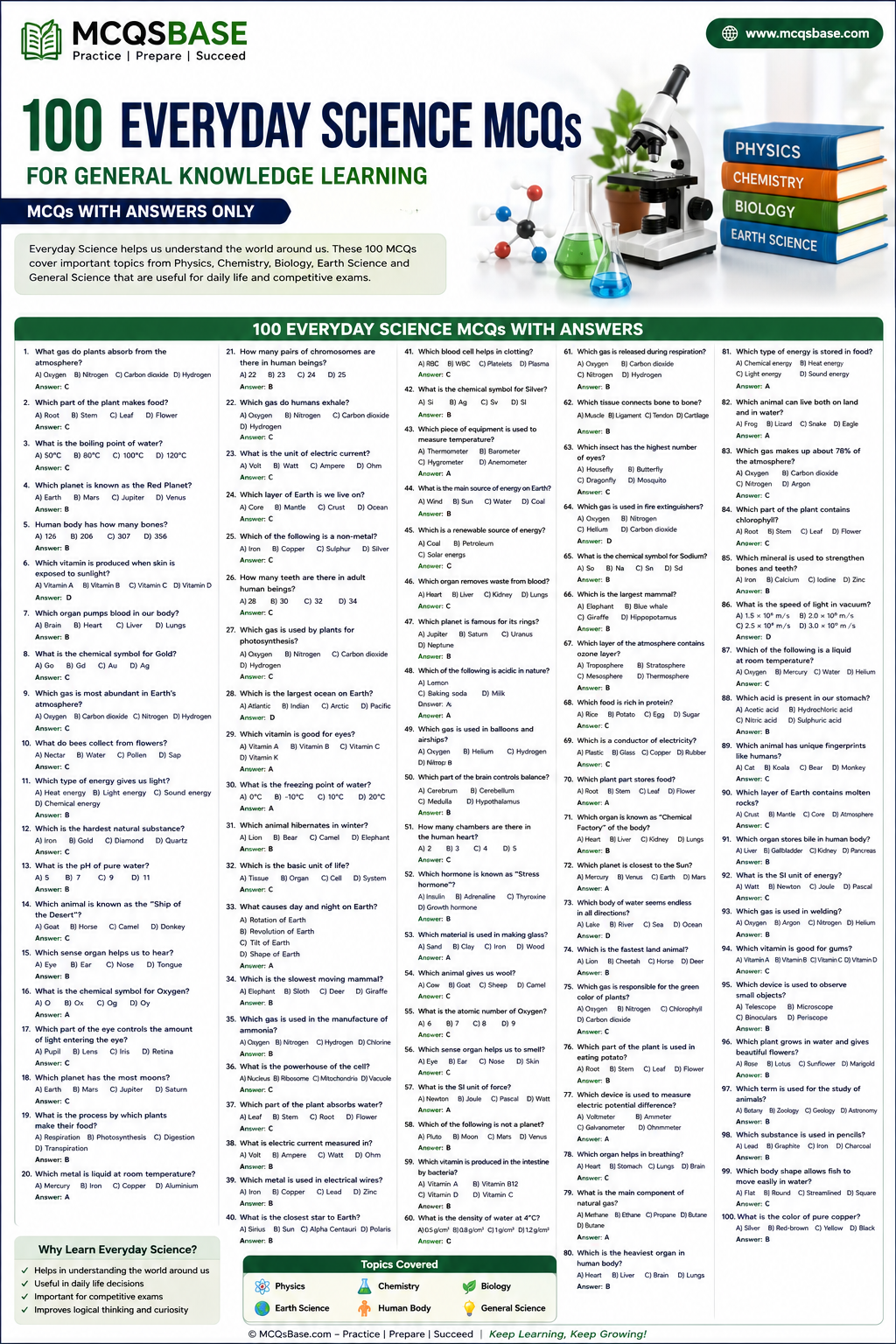
Figure 4. Everyday chemistry and factual revision visual for MCQ learners.
Choose one answer, then check the answer column. No explanations - exactly as requested.
In which layer of Earth's atmosphere does most weather occur?
Correct Answer
A) Troposphere
Most of the protective ozone layer is found in which atmospheric layer?
Correct Answer
A) Stratosphere
The stratospheric ozone layer helps protect life mainly by absorbing which radiation?
Correct Answer
A) Ultraviolet radiation
What is the outermost solid layer of Earth called?
Correct Answer
A) Crust
Which is Earth's thickest major internal layer?
Correct Answer
A) Mantle
Which major layer of Earth is liquid?
Correct Answer
A) Outer core
Which instrument is used to measure rainfall?
Correct Answer
A) Rain gauge
What is the change of water vapor into liquid water called?
Correct Answer
A) Condensation
What is the change of liquid water into water vapor called?
Correct Answer
A) Evaporation
Which of the following is a renewable energy source?
Correct Answer
A) Solar energy
Which gas is a major greenhouse gas released by burning fossil fuels?
Correct Answer
A) Carbon dioxide
Which planet is widely known as the Red Planet?
Correct Answer
A) Mars
Which is the largest planet in our solar system?
Correct Answer
A) Jupiter
Which planet is the hottest in our solar system?
Correct Answer
A) Venus
Which planet is closest to the Sun?
Correct Answer
A) Mercury
Which planet is best known for its prominent ring system?
Correct Answer
A) Saturn
How many planets are officially recognized in our solar system?
Correct Answer
A) Eight
Earth is which planet from the Sun?
Correct Answer
A) Third
Our solar system is located in which galaxy?
Correct Answer
A) Milky Way
Approximately how long does sunlight take to reach Earth from the Sun?
Correct Answer
A) About 8 minutes 20 seconds
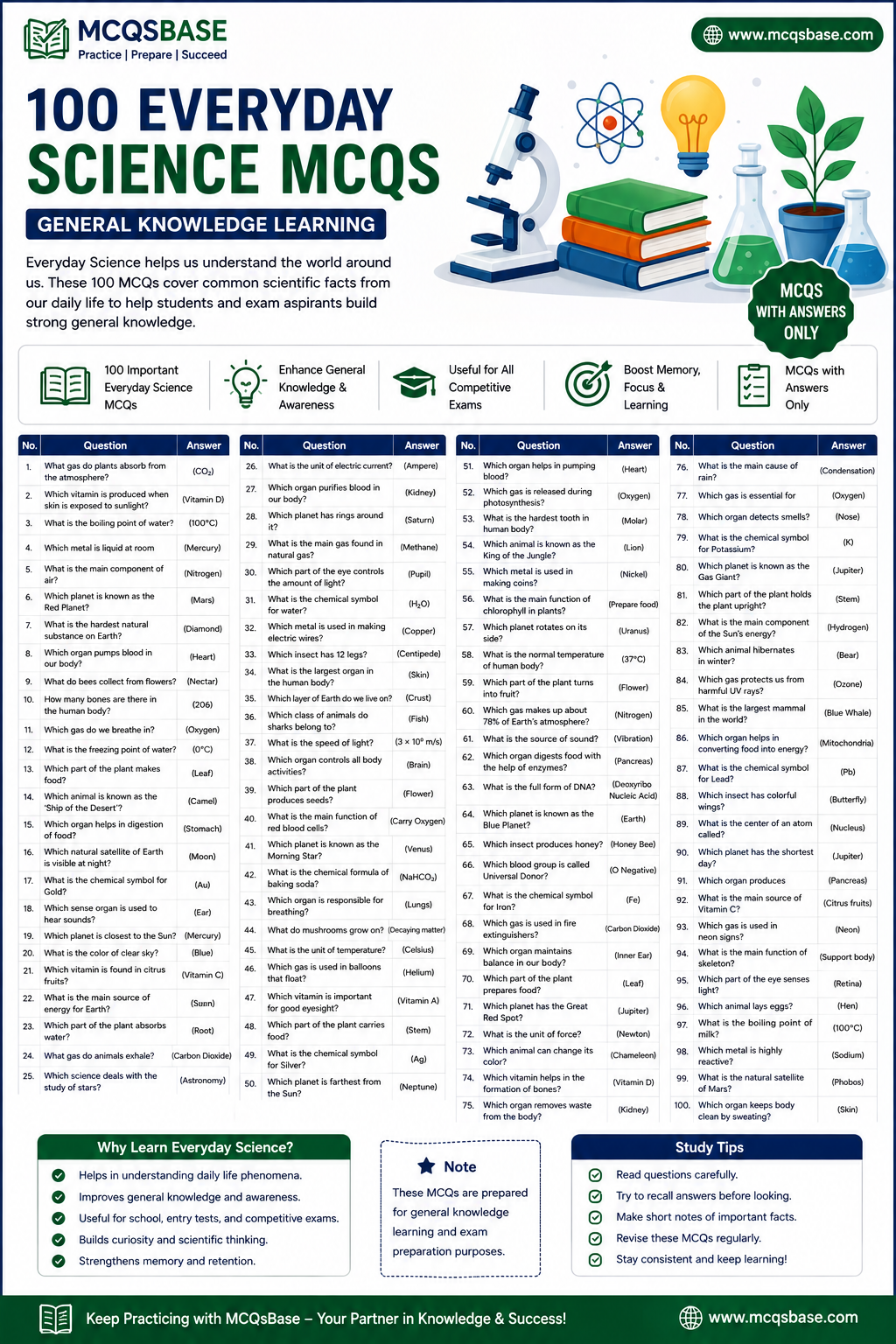
Figure 5. Everyday Science revision visual spanning Earth science, environment and space.
A simple way to use these 100 MCQs
Attempt the questions in blocks of 20, mark only the ones you missed, and re-test those items later. When a weak science topic keeps returning, jump to the Everyday Science guide for the concept, then come back to online MCQs for another round. If science is only one part of your paper, mix it with general knowledge practice, strengthen language through English MCQ preparation, and use the Pakistan Studies preparation guide to keep your broader general-knowledge revision balanced.
Why McqsBase fits this kind of learning
A question bank is useful only when it is easy to revisit. McqsBase keeps science beside other competitive-exam categories, so you can move from a focused science session to mixed general-knowledge practice without rebuilding your study system every day. That matters because consistency is usually less glamorous than motivation - and much more dependable.
There is also a quieter lesson here for education brands: good learning content needs a clean website, sensible structure, reliable search visibility, and systems that do not get in the learner's way. Digital teams such as MoreTech Global work on that behind-the-scenes layer - web systems, automation and growth infrastructure-while the educational brand stays front and center.
Frequently Asked Questions
What is Everyday Science?
Everyday Science is basic scientific knowledge connected to ordinary life, including the human body, biology, physics, chemistry, the environment, Earth science and space.
Which topics are included in Everyday Science MCQs?
Common areas include human-body facts, plants and cells, units and measurements, light and sound, basic chemistry, atmosphere, Earth structure, energy and the solar system.
Are these 100 MCQs suitable for general knowledge learning?
Yes. The set is intentionally broad and foundational, making it useful for general knowledge revision as well as mixed MCQ-based screening and recruitment tests.
How should I practice these questions?
Try 20 at a time without checking the answers, score yourself, note the misses, and revisit only the weak facts after a short gap.
Where can I practice more Everyday Science MCQs?
Use McqsBase's dedicated Everyday Science category for additional online practice and the blog for topic guides and broader exam-preparation strategies.
Fact-checking sources
The question wording is original. Stable scientific facts were checked against authoritative educational and government sources, including:
- NASA Solar System Facts
- NASA - About the Planets
- NIST SI Learning Hub
- NIST - Definitions of SI Base Units
- NIH/NHLBI - Heart Anatomy
- NIDDK - Your Kidneys & How They Work
- NIH ODS - Vitamin C
- NIH ODS - Vitamin A
- OpenStax - Eukaryotic Cells
- OpenStax - Plant Body
- US EPA - Basic Ozone Layer Science
- USGS - Science of Earthquakes
People Also Read
Finished all 100? Good. Your coffee may now be emotionally invested in the result. Continue with these McqsBase guides, then explore the remaining articles in the full McqsBase blog.
- A Complete Guide to NTS Exam Preparation Tips (2026 Success Strategy)
- Ultimate Guide to Past Papers for Pakistan's Competitive Exams (2026 Strategy)
- The Future of Digital Exam Preparation in Pakistan (2026 & Beyond)
- Why McqsBase is the Leading Platform for Pakistan's Exam Prep (2026 Guide)
- 2026's Best-Priced and Most Comprehensive MCQ Practice Resources
- How McqsBase's Practice Tests Help Boost Your Exam Success Rates
- Comparing Top MCQ Platforms for Pakistan Exam Preparation
- Why Online MCQs Practice Is Essential in 2026
- List of Best Free Resources for PPSC, FPSC, and SPSC Exams
- Best Resources for Interview Preparation in Pakistan's Public Sector Exams
- Mastering English MCQs for Competitive Exams
- How to Effectively Prepare for Pakistan Studies MCQs
Practice more Everyday Science and General Knowledge MCQs on McqsBase.
Start practicing at www.mcqsbase.com